

Sea Freight Global – Worldwide Ocean Shipping Solutions
Connect Your Business to Every Port, Every Continent, Every Market
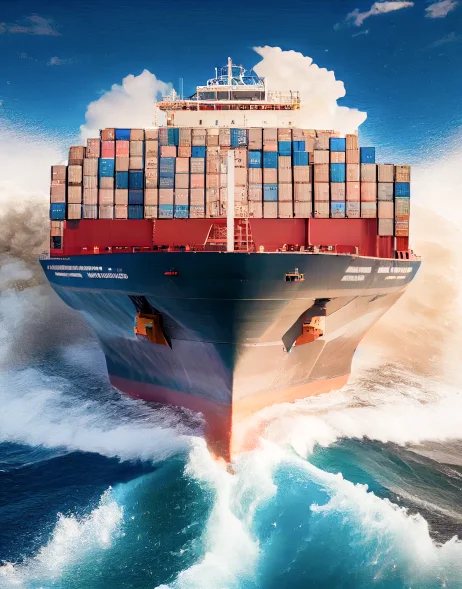
In an interconnected global economy, sea freight remains the backbone of international trade, moving over 90% of the world’s goods across oceans. FF Customs & Logistics delivers comprehensive global sea freight solutions that connect manufacturers, importers, exporters, and retailers to markets on every continent. Our worldwide ocean shipping services combine competitive rates, reliable transit times, and end-to-end logistics support to ensure your cargo reaches its destination safely and on schedule.
Your Global Ocean Freight Partner
Whether you’re shipping full container loads (FCL) across the Pacific, consolidating less-than-container-load (LCL) shipments to Europe, or managing break-bulk cargo to emerging markets, FFCL provides the maritime logistics expertise and global network to keep your supply chain flowing smoothly. We handle ocean freight from Asia to Europe, Americas to Africa, and every trade lane in between.
Why Choose FFCL for Global Sea Freight?
Worldwide Port Coverage
Flexible Shipping Options
Competitive Ocean Freight Rates
Complete Customs & Documentation Support
Real-Time Shipment Visibility
End-to-End Logistics Solutions
Comprehensive Sea Freight Services
Full Container Load (FCL) Shipping
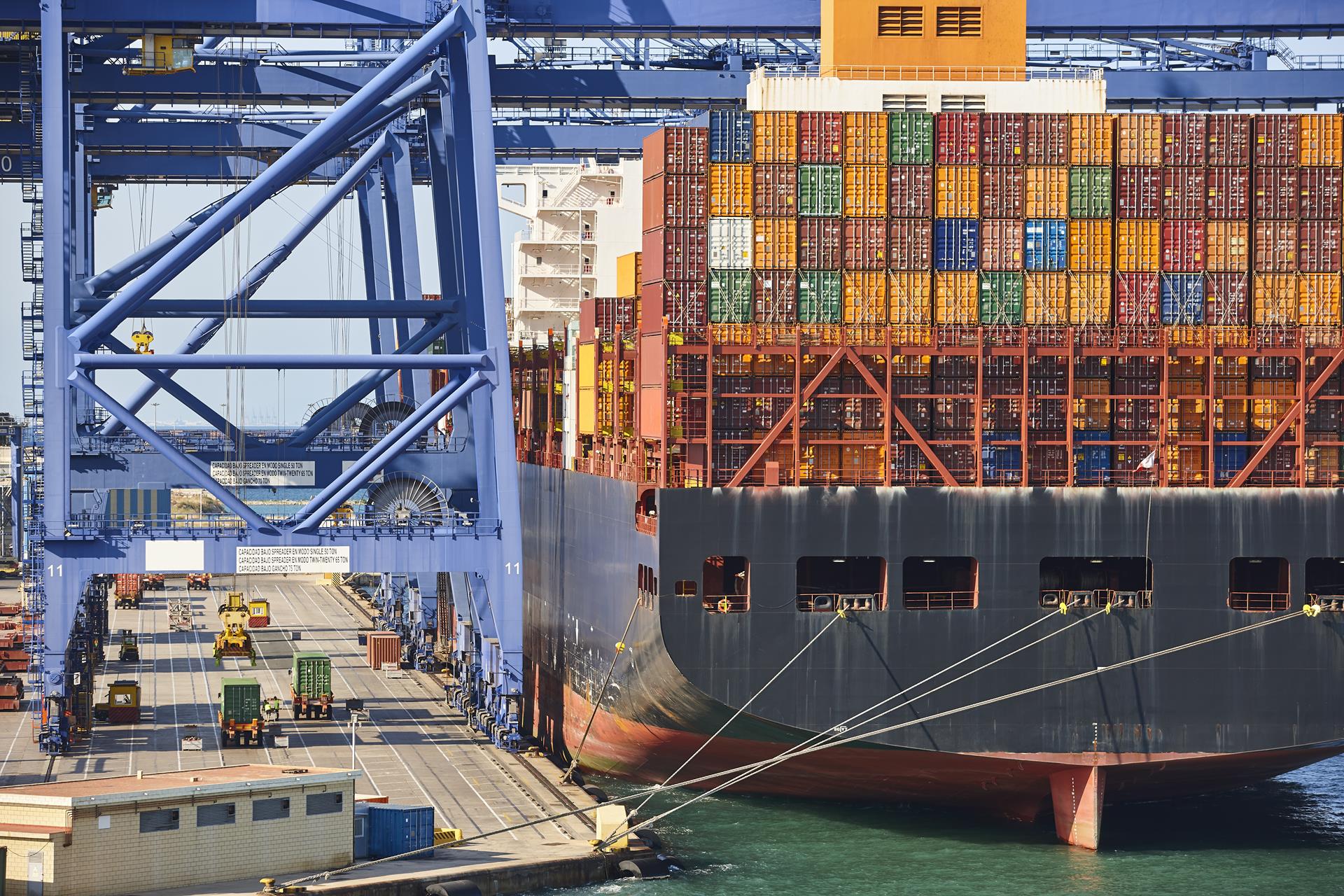
For shipments requiring dedicated container space, FCL offers security, faster transit, and reduced handling. FFCL manages:
Container Types:
FCL Advantages:
Less than Container Load (LCL) Consolidation
LCL Benefits:
Key LCL Trade Lanes:
Break Bulk & Heavy Lift Cargo
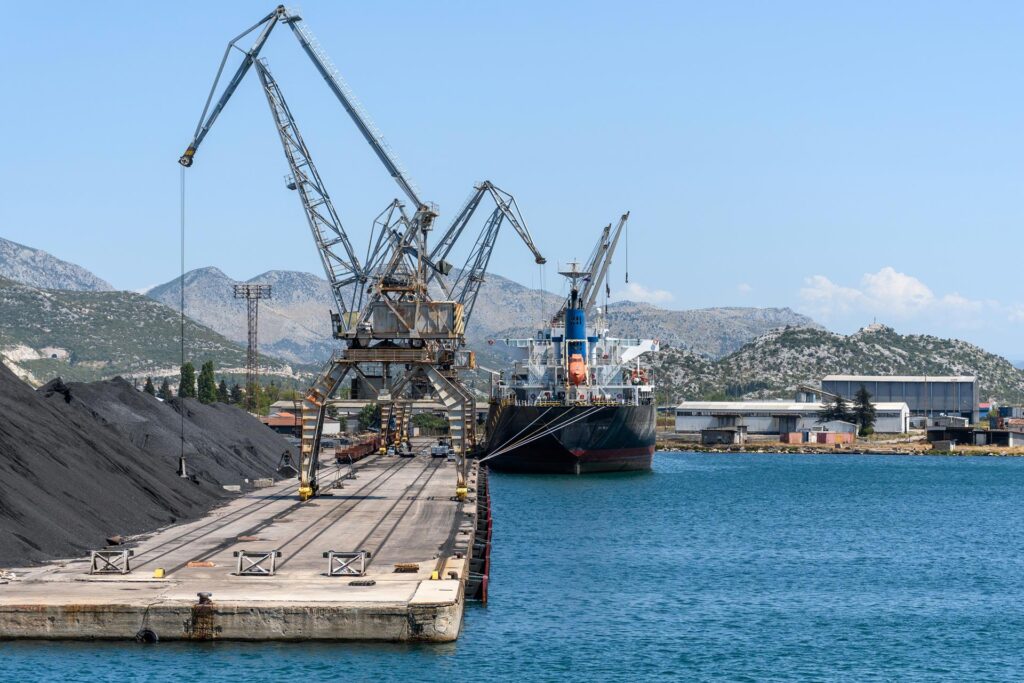
For shipments that cannot fit in standard containers, FFCL specializes in break bulk ocean freight:
Specialised Services:
CFR (Cost and Freight)
Refrigerated & Temperature-Controlled Shipping
Maintain cold chain integrity for perishable goods with FFCL reefer container services:
Reefer Features:
Hazardous & Dangerous Goods (IMO/IMDG)
FFCL holds certifications for handling dangerous goods in compliance with International Maritime Dangerous Goods (IMDG) Code:
Global Sea Freight Trade Routes
Asia-Europe Maritime Corridor
The world’s busiest container shipping route connects manufacturing hubs in China, Southeast Asia, and India with European consumer markets.
Key Ports:
Transit Times:
Services: Weekly departures, direct and transshipment options, competitive rates
Transpacific Routes (Asia-Americas)
Critical trade lane linking Asian manufacturing to North American consumption.
Key Ports:
Transit Times:
Services: Multiple weekly departures, premium fast transit options, comprehensive inland distribution
Transatlantic Shipping (Europe-Americas)
Connect European and American markets with reliable ocean freight.
Key Ports:
Transit Times: 8-14 days depending on specific route
Emerging Trade Lanes
FFCL also services growing markets:
Sea Freight Process: How It Works
Quote & Booking
Documentation & Compliance
Cargo Collection & Consolidation
Export Customs Clearance
Ocean Transit
Destination Port Arrival
Final Delivery
Industries We Serve
FFCL’s global sea freight solutions support diverse sectors:
Manufacturing & Industrial:
Retail & E-commerce:
Automotive:
Food & Agriculture:
Construction & Infrastructure:
Energy & Resources:
Understanding Sea Freight Terminology
Incoterms (International Commercial Terms)
Standardized trade terms defining buyer and seller responsibilities:
Shipping Documentation
Container Specifications
Frequently Asked Questions About Global Sea Freight
What is sea freight and how does it work?
Sea freight, also called ocean freight, is the transportation of goods in containers or bulk cargo aboard ocean-going vessels. Cargo is loaded at the origin port, transported across international waters, and unloaded at the destination port. It’s the most cost-effective method for large-volume international shipments.
How long does international sea freight take?
Transit times vary by route:
What's the difference between FCL and LCL shipping?
FCL (Full Container Load) means you rent an entire container exclusively for your goods. LCL (Less than Container Load) means your cargo shares container space with other shippers’ goods. FCL is more cost-effective for larger shipments (typically >15 cubic meters), while LCL works better for smaller volumes.
How much does sea freight cost?
Ocean freight rates depend on several factors:
Contact FFCL for customized quotations based on your specific shipment requirements.
What can be shipped by sea freight?
Almost any commodity can be transported by ocean freight, including:
Some restrictions apply to dangerous goods, prohibited items vary by country.
Do you provide door-to-door sea freight service?
Yes. FFCL offers complete door-to-door ocean freight logistics including origin cargo pickup, export customs clearance, ocean transportation, destination customs clearance, and final delivery to your warehouse or specified location.
How do I track my ocean freight shipment?
FFCL provides real-time shipment tracking through our online portal. Enter your booking reference or container number to view current location, vessel details, estimated arrival times, and milestone updates. We also send automated email notifications for key events.
What documents are required for international sea freight?
Standard documents include:
FFCL assists with all documentation requirements.
Can you ship oversized or heavy cargo?
Yes. FFCL specializes in break bulk and project cargo for oversized, heavy, or irregularly shaped items that cannot fit in standard containers. We arrange flat rack containers, open-top containers, or bulk vessel chartering as needed.
How are sea freight rates calculated?
Ocean freight rates are typically calculated based on:
FFCL assists with all documentation requirements.
Why Sea Freight is Essential for Global Trade
Cost Efficiency:
Ocean freight offers the lowest cost per unit for large-volume shipments, making international trade economically viable. Companies can source materials and products globally while maintaining competitive pricing.
Massive Capacity:
Modern container vessels carry 20,000+ TEUs, enabling economies of scale that benefit shippers. This capacity supports global supply chains for everything from raw materials to finished consumer goods.
Environmental Advantages:
Per ton-mile, sea freight produces significantly lower carbon emissions than air freight, making it the most environmentally sustainable option for international cargo transport.
Flexibility:
Specialised vessels and container types accommodate virtually any cargo type – from bulk commodities to hazardous materials to temperature-sensitive perishables.
Global Connectivity:
Ocean freight networks connect every continent, providing access to markets worldwide. Even landlocked countries benefit through multimodal transport combining sea and land freight.
FFCL Sea Freight Advantages
Carrier Relationships
Strategic partnerships with major ocean carriers provide:
Global Network
Our presence in key shipping hubs worldwide enables:
Technology Integration
Modern logistics platforms provide:
Customer Service Excellence
Dedicated account management including:
Sustainability in Ocean Freight
FFCL is committed to environmental responsibility in global shipping:
Carbon Footprint Reduction:
Carbon Reporting:
Get Started with FFCL Global Sea Freight
Ready to optimize your international ocean freight? Our logistics experts are available to discuss your requirements and design customized sea freight solutions.
Contact FFCL:
Request Information:
Why Global Businesses Trust FFCL
FF Customs & Logistics – Your Global Sea Freight Partner
Connecting businesses to worldwide markets through reliable, cost-effective ocean freight solutions. From Asia to Europe, Americas to Africa – we move your cargo globally.
Get your sea freight quote today. Contact FFCL.